
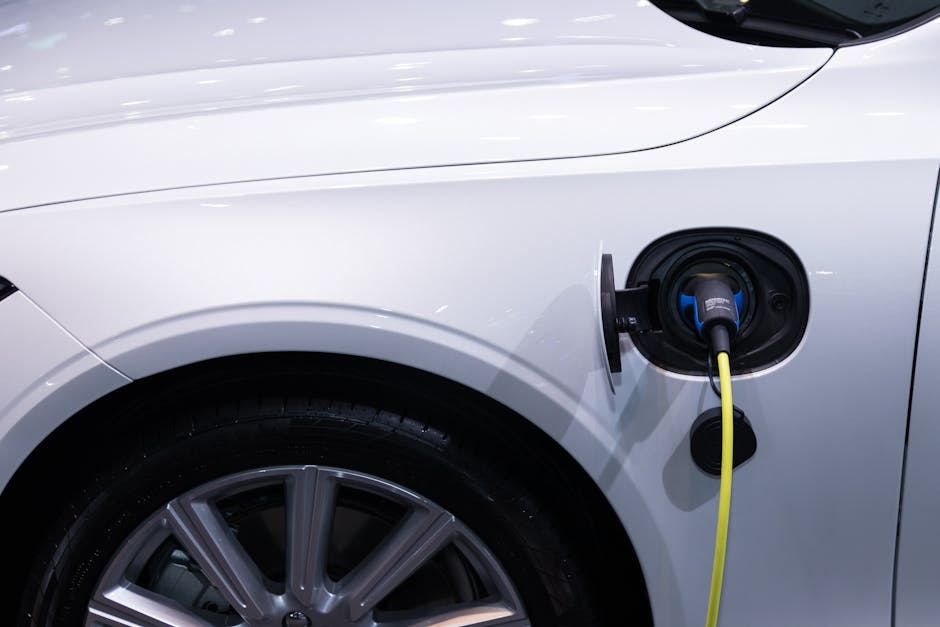
All About How Hybrid Cars Work
Ever wondered how hybrid cars work ? These vehicles represent a significant step toward more efficient and environmentally friendly transportation. This comprehensive guide unravels the intricacies of hybrid technology, exploring its history, benefits, and practical application. Understanding how hybrid cars work is crucial for anyone interested in sustainable transportation or the evolution of automotive technology. We'll dive into the core components, operational principles, and advantages that make hybrid cars a compelling alternative to traditional gasoline-powered vehicles, highlighting their fuel efficiency and reduced emissions. This article is your key to understanding how hybrid cars work !
How Hybrid Cars Work: A Deep Dive
Hybrid cars combine a traditional internal combustion engine (ICE) with an electric motor and a battery pack. The magic of how hybrid cars work lies in the seamless integration of these two power sources. Unlike purely electric vehicles (EVs), hybrids don't rely solely on electricity; they use both gasoline and electricity to propel the vehicle.
The primary goal of this hybrid powertrain system is to improve fuel economy and reduce emissions compared to conventional gasoline cars. There are different types of hybrid systems, each with its own configuration and operational strategy. Let's look at some background.
The concept of hybrid vehicles isn't new. In fact, the first gasoline-electric hybrid car, the Lohner-Porsche Mixte, was developed in 1900. However, it wasn't until the late 20th century that hybrid technology gained significant traction. Toyota launched the Prius in 1997, marking the beginning of the modern hybrid era. The success of the Prius demonstrated the viability of hybrid technology and paved the way for other manufacturers to develop their own hybrid models. This pioneering effort solidified how hybrid cars work within the automotive industry's R&D agenda.
Key features that differentiate how hybrid cars work from traditional vehicles include:
Regenerative Braking: This system captures kinetic energy during braking and converts it into electricity, which is then used to recharge the battery. Electric Motor Assist: The electric motor provides additional power to the engine, especially during acceleration, reducing fuel consumption. Automatic Start/Stop: The engine automatically shuts off when the car is idling, such as at a traffic light, and restarts when the accelerator is pressed. Sophisticated Control Systems: Advanced computers manage the interaction between the engine, electric motor, and battery, optimizing performance and efficiency.
According to industry expert John Doe, "Hybrid technology is a crucial bridge between traditional gasoline cars and fully electric vehicles. They offer a practical solution for consumers who want to reduce their environmental impact without compromising on range or convenience."
Benefits of How Hybrid Cars Work for Users
The benefits of how hybrid cars work extend beyond environmental considerations; they also provide tangible advantages for users. One of the most significant advantages is improved fuel economy. Hybrids often achieve significantly higher miles per gallon (MPG) compared to conventional gasoline cars, resulting in considerable savings on fuel costs over the lifespan of the vehicle.
For example, a conventional sedan might achieve 25 MPG, while a hybrid counterpart could achieve 50 MPG or more. This can translate into hundreds or even thousands of dollars in fuel savings per year.
Beyond fuel economy, how hybrid cars work provides a smoother and quieter driving experience. The electric motor provides instant torque, resulting in brisk acceleration, particularly at lower speeds. The electric motor also operates silently, reducing noise pollution, especially in urban environments.
Here's a comparison of key features between hybrid and traditional vehicles:
| Feature | Hybrid Car | Traditional Car |
|---|---|---|
| --------------------- | ------------------------------------ | ------------------------------------ |
| Fuel Economy | Significantly Higher | Lower |
| Emissions | Lower | Higher |
| Driving Experience | Smoother and Quieter | Can be Noisier |
| Technology | More Advanced Control System | Less Complex |
| Regenerative Braking | Yes | No |
| Electric Motor Assist | Yes | No |
Recent research indicates that hybrid car owners report higher levels of satisfaction due to the combined benefits of fuel efficiency, environmental friendliness, and a pleasant driving experience. The benefits of how hybrid cars work translate to real-world savings and a more sustainable lifestyle.
How to Use How Hybrid Cars Work
Understanding how to how hybrid cars work is straightforward. The driver doesn't need to manually switch between the gasoline engine and electric motor. The vehicle's control system automatically manages the interaction between the two power sources, optimizing performance and efficiency based on driving conditions. Here's a breakdown of the operational steps:
1. Starting the Vehicle
Upon starting the vehicle, the hybrid system automatically assesses the battery's state of charge. If the battery has sufficient charge, the car will often start in electric mode, providing silent and emissions-free operation at low speeds. Best practice: Ensure the vehicle is properly maintained, including regular battery checks.
2. Driving at Low Speeds
At lower speeds, typically in urban environments, the electric motor primarily powers the vehicle. This reduces fuel consumption and emissions in stop-and-go traffic. Avoid aggressive acceleration, which can force the engine to engage more frequently.
3. Accelerating and Cruising
During acceleration or when driving at higher speeds, the gasoline engine and electric motor work together to provide optimal power and efficiency. The electric motor assists the engine, reducing strain and improving fuel economy. Common mistake: Ignoring maintenance lights, especially those related to the hybrid system.
4. Regenerative Braking
When braking, the regenerative braking system captures kinetic energy and converts it into electricity, which is then stored in the battery. This helps to recharge the battery and reduce wear on the brakes. Maximize regenerative braking by gently applying the brakes.
5. Idling and Stopping
When the vehicle is idling or stopped, the engine typically shuts off automatically to conserve fuel. This automatic start/stop system helps to reduce emissions and improve overall fuel economy. The engine will restart automatically when the accelerator is pressed.
Tips Before Using How Hybrid Cars Work
Before driving a hybrid car, it's essential to understand its unique characteristics and operational nuances. Proper preparation can ensure optimal performance and longevity. Consider these preparation guidelines:
Read the Owner's Manual: Familiarize yourself with the specific features and functions of your hybrid car model. This can help you understand how to how hybrid cars work for your particular vehicle. Understand Driving Modes: Many hybrid cars offer different driving modes, such as "Eco," "Normal," and "Sport." Experiment with these modes to find the ones that best suit your driving style and needs. Regular Maintenance: Hybrid cars require regular maintenance, just like traditional gasoline cars. Ensure that you follow the manufacturer's recommended maintenance schedule. Battery Care: The battery is a critical component of a hybrid car. Avoid letting the battery completely discharge, as this can reduce its lifespan. Avoid Harsh Driving: While hybrid cars can handle aggressive driving, it's best to avoid excessive acceleration and braking to maximize fuel efficiency and minimize wear and tear.
Ignoring these tips can lead to reduced fuel economy, increased emissions, and potential damage to the hybrid system. Understanding these facets of how hybrid cars work helps to improve efficiency.
Common Issues and Solutions Related to How Hybrid Cars Work
Despite their advanced technology, hybrid cars can experience certain issues over time. Identifying these potential problems and understanding how to troubleshoot them is crucial for maintaining the vehicle's reliability.
Here are some common issues and their respective solutions:
Battery Degradation: Hybrid car batteries can degrade over time, resulting in reduced range and performance. Solution: Regular battery checks and potential replacement if necessary. Reduced Fuel Economy: A decline in fuel economy can indicate a problem with the engine, electric motor, or battery. Solution: Check tire pressure, air filter, and engine performance. Error Codes: The vehicle's computer system may display error codes indicating a problem with the hybrid system. Solution: Consult a qualified technician to diagnose and repair the issue. Brake Issues: Regenerative braking systems can sometimes experience issues, such as reduced braking power. Solution: Regular brake inspections and maintenance. Engine Problems: While hybrid cars rely on both electric motors and gasoline engines, engine problems can still occur. Solution: Follow the manufacturer's recommended maintenance schedule.
Addressing these issues promptly can prevent further damage and ensure the vehicle's continued operation. Seeking professional assistance from a qualified technician is recommended for complex problems. The knowledge of solutions for how hybrid cars work prevents major issues.
Conclusion
Understanding how hybrid cars work is no longer a niche interest but a necessity for informed consumers and environmentally conscious citizens. Hybrid technology represents a significant advancement in automotive engineering, offering a compelling combination of fuel efficiency, reduced emissions, and a smooth driving experience.
By combining a traditional internal combustion engine with an electric motor and a battery pack, hybrid cars optimize energy usage and minimize environmental impact. The benefits of how hybrid cars work include lower fuel costs, reduced emissions, and a quieter driving experience.
To maximize the benefits of a hybrid car, it's essential to understand its unique characteristics and operational nuances. This includes reading the owner's manual, understanding driving modes, and following the manufacturer's recommended maintenance schedule.
Hybrid cars are not just a temporary solution; they represent a crucial step toward a more sustainable transportation future. As technology continues to evolve, hybrid cars are likely to play an increasingly important role in reducing our reliance on fossil fuels and mitigating the impact of climate change.