
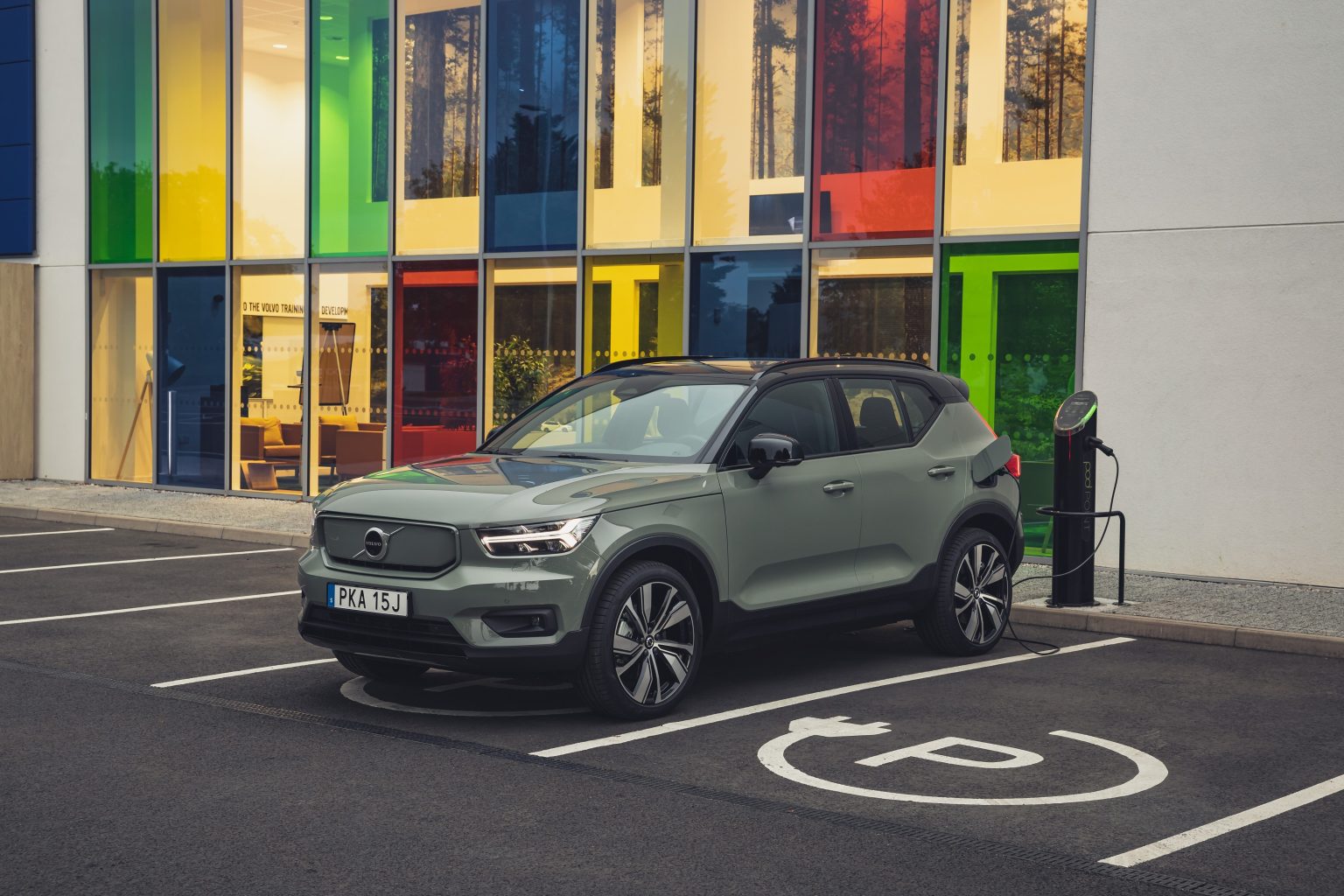
The road to an all-electric future isn't always a straight line. Just when we thought Volvo was firmly committed to ditching combustion engines by 2030, news breaks that they might be pumping the brakes a little. What does this mean for the future of electric vehicles and Volvo's place in it?
For many EV enthusiasts, the initial announcement of Volvo's all-electric ambition was exciting. It signaled a bold step towards sustainability and a confident vision for the future of automotive. However, the potential scaling back raises questions. Are consumer adoption rates not meeting expectations? Are there unforeseen challenges in battery production or infrastructure development? These are valid concerns that could impact not only Volvo, but the entire EV market.
The core of the matter is that Volvo is reportedly re-evaluating its commitment to selling only fully electric vehicles by 2030. This doesn't mean they're abandoning EVs altogether. Instead, it suggests a more flexible approach, where plug-in hybrids and potentially even traditional hybrids could remain in the lineup for longer than initially anticipated. The decision appears to be driven by real-world consumer demand and the pace of EV infrastructure development in different markets.
In essence, Volvo is adapting to the evolving landscape of the automotive industry. While the long-term vision likely still leans heavily towards electrification, the company seems prepared to offer a broader range of powertrain options to meet diverse customer needs and market realities. This shift emphasizes the complexities of transitioning to a fully electric future, considering factors such as charging infrastructure, consumer preferences, and the availability of raw materials for battery production. Volvo's decision underscores the need for a nuanced and adaptable approach to electrification within the automotive sector.
Understanding Market Dynamics
I remember when I first started seriously considering an EV. The idea of never visiting a gas station again was incredibly appealing! But then I started looking at the practicalities: the limited range compared to my old gas guzzler, the charging times, and the lack of readily available charging stations in my area. That's when the appeal started to wane slightly. My personal experience mirrors what Volvo is likely seeing on a larger scale. While many consumers are eager to embrace EVs, the infrastructure and overall ecosystem aren't quite there yet for everyone. The affordability of EVs also plays a huge role, particularly in different global markets. If electric vehicles remain significantly more expensive than their gasoline counterparts, adoption will inevitably be slower. The availability of government incentives and subsidies also has a direct impact on consumer purchasing decisions.
Volvo's potential shift acknowledges that the transition to EVs won't be a one-size-fits-all scenario. It's a recognition that different regions and customer segments have varying needs and levels of preparedness for electrification. This pragmatic approach could ultimately benefit Volvo by allowing them to maintain sales momentum while still investing in and promoting electric vehicle technology.
What "Volvo Reconsiders Fully Electric Goal for 2030" Means
Simply put, "Volvo Reconsiders Fully Electric Goal for 2030" means the automaker is stepping back from its previously stated commitment to exclusively selling electric vehicles by the year 2030. This doesn't signify a complete abandonment of electric vehicle production or a retreat from sustainable mobility. Instead, it suggests a more flexible strategy that could involve continuing to offer hybrid and plug-in hybrid vehicles alongside fully electric models.
The factors driving this reconsideration are likely multifaceted. Consumer demand for electric vehicles, while growing, may not be increasing at the rapid pace initially anticipated. Infrastructure challenges, particularly the availability of charging stations in certain regions, could also be hindering widespread adoption. Additionally, fluctuations in the cost of raw materials needed for battery production and geopolitical factors influencing the supply chain might be playing a role.
By adjusting its strategy, Volvo aims to cater to a broader range of customers and navigate the complexities of the evolving automotive market. This approach allows the company to remain competitive while continuing to invest in electric vehicle technology and infrastructure development. Ultimately, it's a pragmatic response to the realities of transitioning to a fully electric future.
The History and Myth of Ambitious Goals
Setting ambitious goals is a common practice in the business world. Companies often announce bold targets to inspire innovation, attract investment, and signal their commitment to a particular direction. However, history is littered with examples of companies that had to revise or abandon ambitious goals due to unforeseen challenges or changing market conditions. The "myth" lies in the assumption that once a goal is set, it must be rigidly adhered to, regardless of the circumstances.
Volvo's initial announcement of its all-electric target was undoubtedly ambitious. It positioned the company as a leader in the electric vehicle space and generated significant buzz. However, the reality of achieving such a goal within a specific timeframe is complex. Factors such as technological advancements, regulatory changes, and consumer behavior can all influence the pace of progress.
By reconsidering its 2030 target, Volvo is not necessarily abandoning its commitment to electrification. Instead, it's demonstrating a willingness to adapt to the realities of the market and adjust its strategy accordingly. This pragmatic approach could ultimately prove more effective in achieving its long-term sustainability goals than blindly pursuing an unrealistic target.
The Hidden Secret: Adaptability is Key
The "hidden secret" behind Volvo's potential shift is the importance of adaptability in the face of a rapidly changing market. The automotive industry is undergoing a massive transformation, driven by technological advancements, evolving consumer preferences, and increasing environmental concerns. Companies that are unwilling or unable to adapt to these changes risk falling behind.
Volvo's willingness to reconsider its all-electric target suggests a recognition that the path to electrification may not be as straightforward as initially anticipated. By maintaining flexibility in its powertrain options, the company can cater to a wider range of customers and markets, ensuring its continued competitiveness. This adaptability also allows Volvo to monitor and respond to changes in infrastructure development, battery technology, and regulatory policies.
Ultimately, the ability to adapt and adjust strategies based on real-world data and market feedback is crucial for success in the ever-evolving automotive industry. Volvo's potential shift demonstrates a commitment to this principle, positioning the company for long-term growth and sustainability.
Recommendations for Navigating the EV Transition
If you're a consumer considering an electric vehicle, Volvo's situation highlights the importance of doing your research and understanding your own needs. Don't blindly jump on the EV bandwagon without considering factors such as range, charging infrastructure availability, and the overall cost of ownership.
For Volvo, a key recommendation would be to focus on clear communication with its customers. Transparency about the company's strategy and the reasons behind it will help build trust and manage expectations. Additionally, continued investment in electric vehicle technology and infrastructure development is crucial, even if the pace of transition is adjusted.
From a broader perspective, governments and industry stakeholders need to collaborate to accelerate the development of a robust and accessible charging infrastructure. This includes investing in public charging stations, promoting the standardization of charging protocols, and addressing concerns about grid capacity. By working together, we can create a more sustainable and equitable transportation system for all.
Diving Deeper into Infrastructure Challenges
The lack of readily available and reliable charging infrastructure remains a significant barrier to widespread EV adoption. In many areas, public charging stations are scarce, and even when available, they may be slow or unreliable. This can lead to "range anxiety," where drivers worry about running out of battery power before reaching a charging station.
Addressing this challenge requires a multi-pronged approach. Governments can incentivize the installation of charging stations in public spaces and workplaces. Private companies can invest in the development of fast-charging technologies and networks. And utilities can work to upgrade the electrical grid to support the increased demand from electric vehicles.
Furthermore, the accessibility of charging infrastructure needs to be equitable. Charging stations should be available in underserved communities and rural areas, ensuring that everyone has the opportunity to benefit from electric vehicle technology. By addressing these infrastructure challenges, we can create a more seamless and convenient experience for EV drivers, accelerating the transition to a sustainable transportation system.
Tips for Consumers Considering EVs
If you're thinking about making the switch to an electric vehicle, here are a few tips to help you make an informed decision: Assess your driving needs: How far do you typically drive each day? Do you need a long-range vehicle for road trips? Research charging options: Are there public charging stations near your home or workplace? Can you install a home charger? Consider the total cost of ownership: Factor in the purchase price, government incentives, fuel savings, and maintenance costs. Test drive different models: Experience the performance and handling of various EVs to find the one that best suits your needs. Read reviews and compare ratings:Get insights from other EV owners and experts to learn about the pros and cons of different vehicles.
By taking these steps, you can make a confident and informed decision about whether an electric vehicle is right for you.
The Role of Government Incentives
Government incentives play a crucial role in accelerating the adoption of electric vehicles. These incentives can take various forms, such as tax credits, rebates, and subsidies. They help to reduce the upfront cost of purchasing an EV, making it more accessible to a wider range of consumers.
In addition to purchase incentives, governments can also offer incentives for the installation of charging infrastructure, both public and private. This helps to address the infrastructure gap and encourage the development of a robust charging network.
Furthermore, governments can implement policies that support the production and sale of electric vehicles, such as emissions standards and zero-emission vehicle mandates. These policies create a regulatory environment that favors electric vehicles and encourages automakers to invest in EV technology.
By implementing a comprehensive set of incentives and policies, governments can create a supportive ecosystem for electric vehicles, driving innovation and accelerating the transition to a sustainable transportation system.
Fun Facts About Electric Vehicles
Did you know that the first electric vehicles were developed in the 1830s, even before gasoline-powered cars? In the early 20th century, EVs were actually more popular than gasoline cars, particularly among women, due to their ease of operation and cleanliness. However, the invention of the electric starter and the mass production of gasoline cars eventually led to the decline of EVs.
Electric vehicles are incredibly efficient, converting over 77% of electrical energy into power at the wheels, compared to about 12-30% for gasoline cars. They also produce zero tailpipe emissions, helping to improve air quality in urban areas.
The range of electric vehicles has increased dramatically in recent years, with some models now offering over 300 miles on a single charge. And as battery technology continues to improve, we can expect even longer ranges and faster charging times in the future.
How to Stay Informed About the EV Market
The electric vehicle market is constantly evolving, with new models, technologies, and policies emerging all the time. To stay informed, it's important to follow reputable news sources, industry publications, and blogs that focus on electric vehicles.
Attend auto shows and EV events to see the latest models and technologies in person. Join online forums and communities to connect with other EV enthusiasts and share information. And don't be afraid to ask questions and seek advice from experts.
By staying informed, you can make more informed decisions about electric vehicles and stay ahead of the curve in this rapidly changing industry.
What If Volvo Had Stuck to the Original Plan?
If Volvo had remained steadfast in its commitment to selling only fully electric vehicles by 2030, despite market challenges, the outcome could have been a mix of positive and negative consequences. On the positive side, it would have reinforced Volvo's image as a leader in the EV space and potentially accelerated the development of electric vehicle technology. It might also have spurred competitors to accelerate their own EV plans.
However, on the negative side, it could have resulted in lower sales volumes and reduced profitability, particularly in markets where EV adoption is slower. It might also have limited Volvo's ability to cater to customers who prefer hybrid or plug-in hybrid vehicles.
Ultimately, the best course of action for Volvo depends on a careful assessment of market conditions, technological advancements, and consumer preferences. The company's decision to reconsider its all-electric target suggests a pragmatic approach that aims to balance its sustainability goals with its business objectives.
Top 5 Things to Know About Volvo's EV Strategy
Here's a listicle summarizing the key takeaways from Volvo's evolving EV strategy:
- Volvo is reconsidering its commitment to selling only fully electric vehicles by
2030.
- This decision is driven by factors such as consumer demand, infrastructure challenges, and the cost of battery technology.
- Volvo may continue to offer hybrid and plug-in hybrid vehicles alongside fully electric models.
- The company remains committed to electrification and sustainability, but is adopting a more flexible approach.
- Adaptability and clear communication with customers are crucial for success in the evolving EV market.
These points provide a concise overview of Volvo's current position and its plans for the future.
Question and Answer
Q: Is Volvo abandoning electric vehicles altogether?
A: No, Volvo is not abandoning electric vehicles. They are simply re-evaluating the timeline for transitioning to a fully electric lineup and may continue to offer hybrid and plug-in hybrid models alongside EVs.Q:What are the main reasons for Volvo's change of plans?
A: The primary reasons include slower than expected consumer adoption of EVs in some markets, the lack of adequate charging infrastructure, and the cost of battery technology.Q:Will Volvo still invest in electric vehicle technology?
A: Yes, Volvo remains committed to investing in electric vehicle technology and plans to continue developing new and innovative EV models.Q:What does this mean for consumers who are considering buying a Volvo?
A: Consumers will likely have a wider range of powertrain options to choose from, including gasoline, hybrid, plug-in hybrid, and fully electric vehicles. This allows them to select the vehicle that best meets their individual needs and preferences.
Conclusion of Volvo Reconsiders Fully Electric Goal for 2030
Volvo's decision to potentially adjust its all-electric goal highlights the complex realities of transitioning to a fully electric future. While the long-term vision likely remains focused on electrification, the company's willingness to adapt to market conditions and consumer demand demonstrates a pragmatic and strategic approach. By offering a broader range of powertrain options and continuing to invest in EV technology, Volvo aims to navigate the evolving automotive landscape and maintain its position as a leader in sustainable mobility. The road to electrification is not always straight, and Volvo's journey is a reminder that flexibility and adaptability are essential for success.