What is a solar inverter?


The solar inverter – the key to the efficient use of solar energy
A solar inverter is the heart of every solar system. It transforms the raw power of the sun into usable electricity. Imagine: Solar panels capture sunlight, but it is the inverter that makes this energy usable for us. It converts the direct current generated into alternating current, which we use every day. This process is not only efficient, but also environmentally friendly. The solar inverter is a masterpiece of engineering that helps us make the most of renewable energy. It's smart, reliable, and a key element in making our future greener. With every ray of sunlight that is converted into electricity, the solar inverter brings us closer to a sustainable way of life.
What does a solar inverter do?
A solar inverter is an electronic device used in a solar system to convert the direct current (DC) generated from the solar cells into alternating current (AC). The inverter plays a crucial role in the use of solar energy, as most household appliances and the public power grid require alternating current. The solar inverter performs several tasks. First, it converts the direct current into alternating current with the help of transistors and other electronic components. This makes it possible for the electricity generated to be used directly in the household or in the public grid. In addition, it continuously monitors the performance of the solar system and optimizes the energy conversion for maximum efficiency.
It automatically adapts to changing conditions such as sunlight or temperature to ensure stable operation. Another important feature of the solar inverter is the ability to feed excess energy into the public power grid. If the solar system generates more energy than is needed, the inverter can feed the excess electricity into the grid, thus contributing to the feed-in tariff.
In the application with solar systems, inverters are often referred to as "solar inverters" or "PV inverters" (photovoltaic inverters). These designations highlight that the inverter is specifically designed to convert the direct current (DC) generated by solar panels (photovoltaic panels) into alternating current (AC). Solar inverters often come with additional features that are useful for solar systems, such as maximizing energy production, system monitoring, and sometimes integrating battery storage systems.
The species at a glance
- String inverters: These are most commonly found in home solar systems. They connect a series of solar panels in a "string" configuration. All the direct current from the panels flows through the inverter, which converts it into alternating current.
- Microinverters: These are connected directly to individual solar panels. Each panel has its own inverter. This improves efficiency as each panel works independently. They are ideal for partial shade or different orientations of the panels.
- Hybrid inverters: These combine the functions of a conventional solar inverter with a battery charger. Not only can they convert electricity, but they can also store energy in batteries. They are perfect for systems that require energy storage.
- Central inverters: These are designed for large solar systems. They are similar to string inverters, but much larger and more powerful. They are often used in commercial or industrial solar projects.
- Grid-connected inverters: These are intended for systems that are connected to the public power grid. They can feed the generated electricity into the grid and draw electricity from the grid when needed.
- Off-grid inverters: These are designed for off-grid solar systems that are not connected to the power grid. They are ideal for remote locations where there is no access to the public power grid.
A solar inverter therefore has the function of converting the direct current generated by the solar cells into usable alternating current and optimizing the performance of the solar system. It enables the direct use of solar energy in the household and the feeding of surplus electricity into the public grid.
Die wichtigsten Aspekte auf einem Blick
| Eigenschaft | Beschreibung |
| Funktion | Wandelt Gleichstrom (DC) von Solarpanelen in Wechselstrom (AC) um. |
| Haupttypen | String-Wechselrichter, Mikro-Wechselrichter, Hybrid-Wechselrichter, Zentral-Wechselrichter, Netzgekoppelte Wechselrichter, Insel-Wechselrichter. |
| Anwendung | Wird in Solarstromanlagen für Haushalte, Unternehmen und Off-Grid-Systeme verwendet. |
| Vorteile | Ermöglicht die Nutzung von Solarenergie für alltägliche elektrische Geräte; verbessert die Effizienz der Energieerzeugung. |
| Besondere Merkmale | Einige Modelle bieten Smart-Connectivity, Systemüberwachung, integrierte Batterieladefunktionen. |
| Auswahlkriterien | Abhängig von der Größe der Solaranlage, Standortbedingungen (z.B. Schatten), Netzanschluss und Speicherbedarf. |
Unterschiedliche Arten von Photovoltaik-Wechselrichter und ihre Einsatzmöglichkeiten
Der Solarwechselrichter ist ein essenzielles Element in der effizienten Nutzung von Solarenergie. In diesem Artikel haben wir bereits die Bedeutung und Funktionsweise eines Solarwechselrichters erläutert. Nun möchten wir genauer auf die unterschiedlichen Arten von Solarwechselrichtern und ihre Einsatzmöglichkeiten eingehen. Es gibt verschiedene Arten von Solarwechselrichtern, darunter Stringwechselrichter, Zentralwechselrichter und Mikrowechselrichter. Jede Art hat ihre eigenen Vor- und Nachteile sowie spezifische Einsatzbereiche.
Stringwechselrichter sind weit verbreitet und werden häufig in PV-Anlagen eingesetzt. Sie sind kostengünstig und einfach zu installieren. Diese Wechselrichter können mehrere Solarmodule zu einem sogenannten „String“ verbinden, um die erzeugte Gleichstromleistung in Wechselstrom umzuwandeln. Zentralwechselrichter hingegen werden bei größeren PV-Anlagen verwendet, wo eine hohe Leistung erforderlich ist. Sie bieten eine höhere Leistungsfähigkeit und Effizienz, da sie den Strom mehrerer Strings bündeln können. Ein Beispiel für einen Hersteller solcher Wechselrichter ist SMA. Mikrowechselrichter sind individuelle Wechselrichter für jedes einzelne Solarmodul einer Anlage. Sie bieten den Vorteil einer verbesserten Ausbeute bei teilweise verschatteten Modulen oder ungleichmäßiger Verschaltung.
Welchen Wechselrichter brauche ich für meine Solaranlage?
Für Ihre Solaranlage benötigen Sie einen Wechselrichter, der die Gleichstromenergie, die von Ihren Solarmodulen erzeugt wird, in Wechselstrom umwandelt. Der richtige Photovoltaik-Wechselrichter hängt von verschiedenen Faktoren ab, wie der Leistung Ihrer Solarmodule, der Größe Ihrer Anlage und Ihren individuellen Strombedürfnissen. Es gibt verschiedene Arten von Wechselrichtern auf dem Markt. Die gängigsten sind String-Wechselrichter und Mikro-Wechselrichter.
String inverters are usually used for larger solar installations and convert the direct current of several solar panels into alternating current. Microinverters, on the other hand, are often used in smaller installations and are installed on each individual solar panel. When choosing an inverter, you should also pay attention to efficiency. A more efficient inverter converts more solar energy into usable electricity.
In addition, it is important that the photovoltaic inverter has sufficient protection features to protect your solar system from overheating or overloading. It is also recommended to choose a high-quality inverter from a reputable manufacturer. This ensures a longer lifespan and better performance of your solar system.
In summary, it is important to choose a suitable inverter according to the performance of your solar panels and the individual requirements of your solar system. It is recommended to seek advice from a professional to find the optimal inverter for your solar system.
How big does the inverter have to be for a PV system?
The inverter in a photovoltaic system should be dimensioned according to the output of the system. The size of the inverter therefore depends on the installed capacity of the PV system. To determine the right size, various factors must be taken into account. First of all, it is important to know the nominal power of the PV modules. This is given in watt peak (Wp) and indicates the maximum power that a module can generate under standard test conditions. The total output of all installed modules then results in the installed capacity of the system. Other factors also play a role, such as the orientation and inclination of the modules, the geographical location of the location and any shading.
These factors influence the yield of the system and should be taken into account when dimensioning the inverter. Basically, an inverter should have a slightly higher nominal power than the installed capacity of the PV system. This ensures that sufficient energy can be fed into the power grid even in unfavourable conditions. It is advisable to seek advice from a professional or to consult a solar technician to select the optimal inverter for the individual PV system. This allows the system to work efficiently and achieve a high energy yield.
What is the difference between an inverter as such and a solar inverter?
An inverter itself does not initially have a direct connection to solar energy. Its main function is to convert direct current (DC) to alternating current (AC). This feature is universal and not specifically limited to solar energy. You can find out more about the inverter and how it ensures an optimal power supply on the go, no matter what energy it is, behind the link.
However, in solar installations, the inverter becomes a key element, as solar panels generate direct current, while most home appliances and the power grid use alternating current. In this context, the inverter allows the energy generated by the solar panels to be used by converting the direct current into a usable alternating current.
Although inverters can be used in many applications, they are essential for the use of solar energy in RVs and other installations that use solar panels.
Was ist der Unterschied zwischen Wechselrichter und Inverter?
Ein Wechselrichter und ein Inverter sind im Grunde genommen dasselbe Gerät, das in der Elektrotechnik verwendet wird, um Gleichstrom (DC) in Wechselstrom (AC) umzuwandeln. Der Begriff „Wechselrichter“ wird häufig in Deutschland verwendet, während „Inverter“ eher international gebräuchlich ist. Die Hauptfunktion eines Wechselrichters oder Inverters besteht darin, den Stromfluss zu regulieren und die Spannung des erzeugten Stroms zu ändern.
Dies ist besonders wichtig bei der Verwendung von Solaranlagen oder Batterien, da diese Gleichstrom erzeugen und die meisten Haushalte jedoch Wechselstrom benötigen. Wechselrichter und Inverter können je nach Anwendung unterschiedliche Eigenschaften aufweisen. Beispielsweise gibt es netzgekoppelte Wechselrichter, die den erzeugten Wechselstrom direkt ins öffentliche Stromnetz einspeisen können.
Es gibt auch netzunabhängige Inverter, die eine autonome Stromversorgung ermöglichen. Ein weiterer Unterschied zwischen einem Wechselrichter und einem Inverter liegt in ihrer Effizienz. Moderne Inverter sind oft energieeffizienter und bieten eine höhere Leistungsfähigkeit als ältere Modelle von PV-Wechselrichter.
It can therefore be said that the term "inverter" is often used in the German-speaking world, while internationally it is more commonly referred to as "inverters". Although they have the same function – which is to convert direct current to alternating current – they can have different properties depending on the application and vary in efficiency.
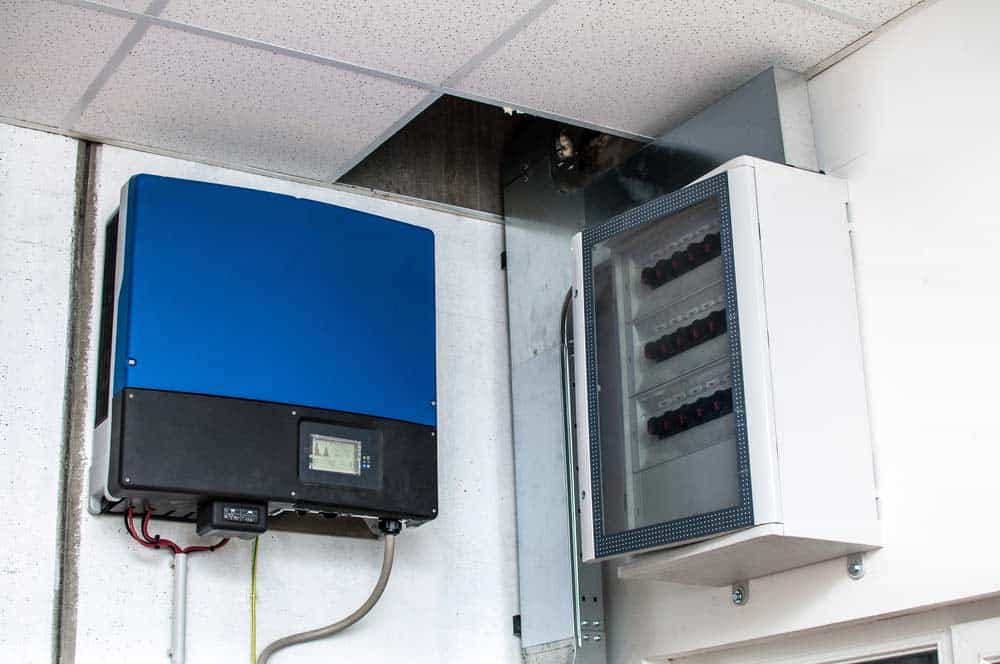
Conclusion: The invisible hero of your solar system – Why a high-quality PV inverter makes the difference
The use of solar energy has increased sharply in recent years and is becoming increasingly popular. But why should you switch to solar energy? The answer lies in the numerous benefits offered by this clean energy source. By installing solar systems, you can significantly reduce your energy costs while contributing to environmental protection. An important part of any solar system is the solar inverter.
This device plays a crucial role in the efficient use of solar energy. It converts the direct current generated by the solar panels into alternating current, which can then be used in the household or fed into the power grid. There are several types of solar inverters, including string inverters, central inverters, and microinverters.
Each species has its own uses and advantages. Market-leading companies such as SMA, SofarSolar and Victron offer high-quality solar inverters that ensure high performance and efficiency. When buying a solar inverter, it is important to pay attention to the right performance. This should match the size of your PV system to ensure optimal operation.
Depending on the model, these can cover different power ranges, specified in kilowatts (kW) or megawatts (MW). There are several options available to you to choose the right solar inverter for your solar system. It is advisable to find out about the different models before buying and to seek professional advice if necessary. Also check subsidy programs for solar systems for your state.
The installation and maintenance of a PV inverter requires specialist knowledge and should be carried out by a qualified electrician. Regular inspections ensure smooth operation and a long service life of the device. Overall, the solar inverter is the key to the efficient use of solar energy. Due to its function of converting the generated direct current into usable alternating current, it enables you to get maximum energy yield from your solar modules. With a high-quality solar inverter, you can not only reduce your energy bills, but also reduce your environmental footprint.