
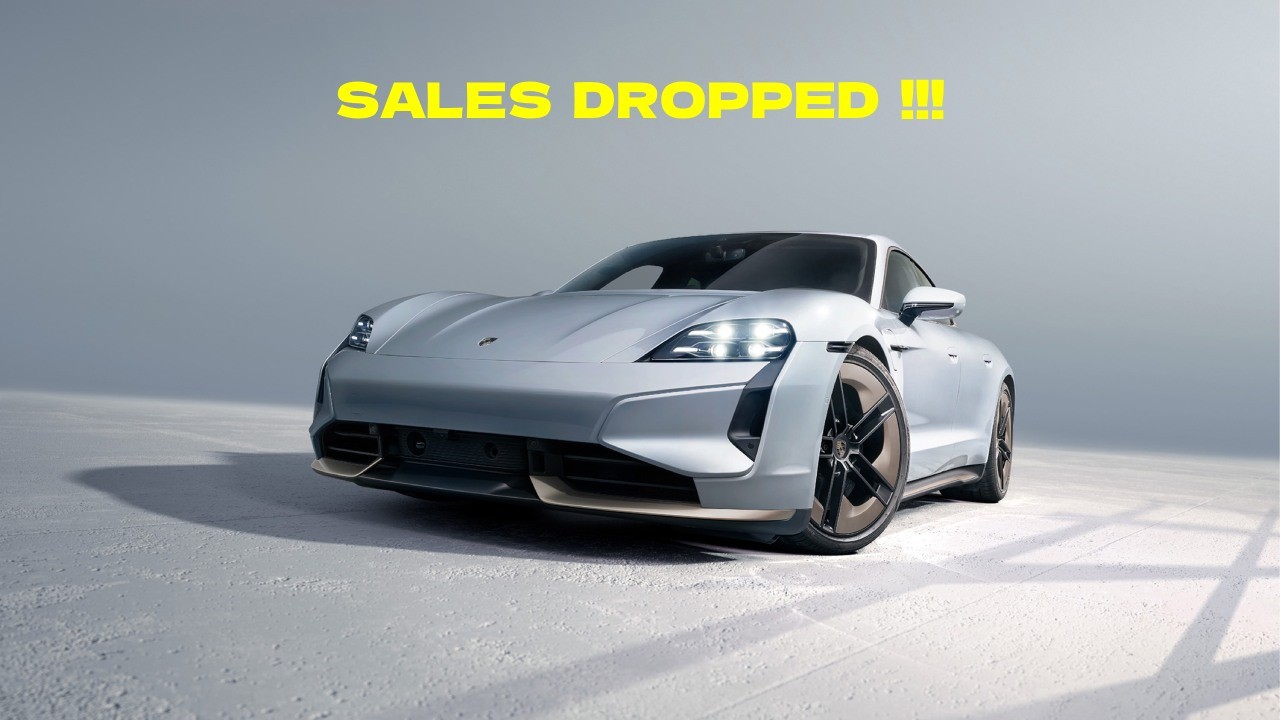
For years, the automotive world has been bracing for the seemingly inevitable: the complete electric takeover. But what happens when the road to the future takes an unexpected turn? Buckle up, because Porsche, the legendary sports car maker, is pumping the brakes on its all-in EV strategy, choosing instead to keep its iconic internal combustion engine (ICE) models roaring alongside its electric fleet.
This shift might leave some feeling a bit disoriented. The relentless push for electrification has been so pervasive, that the idea of Porsche continuing to champion its gasoline-powered heritage feels almost… rebellious. Are electric vehicles truly ready to meet the demands of every driver? Is the charging infrastructure robust enough to support a fully electric future? And what about the visceral thrill, the unmistakable sound, the raw emotion that only a Porsche flat-six engine can deliver? These are the questions lurking beneath the surface as Porsche charts this new course.
Porsche's decision to coexist ICE models alongside its electric vehicles addresses concerns about consumer readiness, infrastructure limitations, and the enduring appeal of the combustion engine. It signals a more pragmatic, customer-centric approach, acknowledging that the transition to electric mobility will be gradual and multifaceted. This strategy allows Porsche to cater to diverse customer preferences and market conditions, ensuring the brand's continued success in a rapidly evolving automotive landscape.
In essence, Porsche isn't abandoning its EV ambitions. The Taycan has proven its electric prowess, and future electric models are undoubtedly on the horizon. However, Porsche is now acknowledging the continued relevance of its ICE models, suggesting a future where electric and gasoline-powered vehicles share showroom space and coexist on the road. This strategic recalibration emphasizes customer choice and recognizes the enduring allure of Porsche's heritage, particularly its iconic engines. This approach may pave the way for other manufacturers to adopt a more balanced and sustainable transition to electric mobility.
The Enduring Allure of the ICE Engine
I remember the first time I truly appreciated the artistry of an internal combustion engine. It wasn't in a textbook or a museum; it was on a winding mountain road, behind the wheel of a classic Porsche 911. The feeling of the engine responding to my every input, the symphony of mechanical sounds building with each revolution, it was an experience that transcended mere transportation. It was connection, control, and a visceral sense of exhilaration. This memory resonates deeply with Porsche's decision. It’s not just about clinging to the past; it's about acknowledging the emotional connection that many drivers have with the ICE engine. Porsche understands that for some, the driving experience is as much about the sound and feel as it is about getting from point A to point B. The rumble of a flat-six, the precise shifting of a manual transmission – these are elements that contribute to the Porsche mystique. By keeping ICE models in the lineup, Porsche is ensuring that this vital part of its identity isn't lost in the electric shuffle. Moreover, it allows them to cater to markets where charging infrastructure is still developing or where consumer preferences lean towards traditional powertrains. The decision is not about resisting progress; it’s about managing it in a way that preserves the brand's legacy and satisfies its diverse customer base. This strategic balance allows Porsche to continue innovating in the EV space while still honoring the heritage that has made it a legend.
Understanding Porsche's Rethink
Porsche Rethinks EV Strategy — ICE Models to Coexist is essentially a strategic recalibration in response to the complex realities of the automotive market. It's an acknowledgement that the transition to electric vehicles won't be a simple flip of a switch, and that diverse customer needs and market conditions require a more nuanced approach. The all-electric future, once seen as an inevitability, is now recognized as a longer, more winding road. This means Porsche will continue to invest in and develop its iconic internal combustion engine (ICE) models alongside its growing electric vehicle lineup. This allows them to cater to customers who may not be ready to fully embrace electric vehicles due to concerns about range anxiety, charging infrastructure availability, or simply a preference for the traditional driving experience. The company is likely closely monitoring consumer demand, infrastructure development, and technological advancements to fine-tune its strategy over time. This means that the specific mix of ICE and EV models may evolve based on market trends. Furthermore, Porsche's decision could influence other automakers to adopt a similar strategy, prioritizing customer choice and a more gradual transition to electric mobility. By offering both ICE and EV options, Porsche aims to maintain its market share, satisfy its diverse customer base, and navigate the evolving automotive landscape with agility and foresight. Ultimately, it's about ensuring the brand's long-term success in a world that's rapidly changing.
History and Mythology of Porsche's Engine
The history of Porsche is inextricably linked to the internal combustion engine. From the very first Porsche, the 356, to the legendary 911, the flat-six engine has been the heart and soul of the brand. Its distinctive sound, its exhilarating performance, and its inherent engineering brilliance have become synonymous with Porsche's identity. This engine isn't just a mechanical component; it's a symbol of innovation, performance, and driving pleasure. The mythos surrounding the Porsche engine extends beyond its technical specifications. It's about the feeling of connection it creates between the driver and the machine. It's about the legacy of racing victories and engineering breakthroughs that have defined Porsche for decades. To abandon this legacy entirely would be to sever a vital link to the brand's history and identity. Porsche's decision to continue producing ICE models acknowledges this deep-seated connection and allows the company to preserve its heritage while simultaneously embracing the future of electric mobility. It's a recognition that the emotional appeal of the ICE engine still resonates with many drivers, and that this appeal is an integral part of the Porsche experience. This is not just about preserving a technology; it's about preserving a culture and a legacy that has made Porsche one of the most iconic automotive brands in the world. This is why, while electric vehicles represent the future, the roar of a Porsche flat-six will continue to echo through the canyons and on the racetrack.
The Hidden Secret of Porsche's Coexistence Strategy
The hidden secret behind Porsche's decision to let ICE models coexist isn’t just about catering to nostalgic enthusiasts or waiting for infrastructure to catch up. It's also about maximizing profitability and mitigating risk. Electric vehicle development is expensive, requiring massive investments in battery technology, charging infrastructure, and new manufacturing processes. While the Taycan has been a success, the long-term profitability of electric vehicles remains uncertain. By continuing to produce and sell ICE models, Porsche can leverage existing manufacturing infrastructure, established supply chains, and a proven product portfolio to generate consistent revenue and profit. This allows the company to fund its EV development efforts without putting all its eggs in one basket. Furthermore, by offering both ICE and EV options, Porsche hedges its bets against unforeseen technological breakthroughs or shifts in consumer preferences. If battery technology stagnates or if consumer demand for EVs wanes, Porsche can easily adjust its production mix to favor ICE models, ensuring the company's continued profitability and stability. This strategic flexibility is a key element of Porsche's coexistence strategy. It's not just about preserving the past; it's about securing the future by diversifying its product portfolio and mitigating the risks associated with an all-in bet on electric vehicles. This prudent approach allows Porsche to navigate the uncertain automotive landscape with greater confidence and resilience. The ability to adapt and adjust is key to long-term success.
Recommendations for Navigating This New Landscape
For prospective Porsche buyers, this strategic shift offers both opportunities and considerations. If you're an EV enthusiast eager to embrace the future, the Taycan and future electric Porsche models offer cutting-edge technology and exhilarating performance. However, if you're a traditionalist who values the visceral driving experience and the iconic sound of a Porsche engine, the continued availability of ICE models provides peace of mind. Before making a decision, consider your driving needs, charging infrastructure availability, and personal preferences. Test drive both ICE and EV models to experience the unique characteristics of each. Research the long-term ownership costs associated with both types of vehicles, including fuel or electricity costs, maintenance requirements, and potential resale values. If you're concerned about the environmental impact of your vehicle, research the carbon footprint of both ICE and EV models, taking into account the emissions associated with electricity generation. Ultimately, the best choice depends on your individual circumstances and priorities. Porsche's decision to coexist ICE models allows you to choose the vehicle that best fits your lifestyle and preferences. This isn't about choosing between the past and the future; it's about finding the perfect balance between tradition and innovation. Embrace the opportunity to explore the diverse range of Porsche models and make an informed decision that aligns with your values and driving needs. The options are plentiful and exciting.
Understanding the Technological Aspects
Delving deeper into the technological aspects of this coexistence strategy reveals a fascinating interplay of innovation and legacy. Porsche's continued development of ICE engines isn't simply about maintaining the status quo. It involves ongoing refinements to improve fuel efficiency, reduce emissions, and enhance performance. Technologies like direct injection, turbocharging, and advanced exhaust aftertreatment systems are constantly being refined to make ICE engines cleaner and more powerful. Simultaneously, Porsche is investing heavily in electric vehicle technology, including battery development, electric motor design, and charging infrastructure solutions. The company is exploring new battery chemistries to improve energy density, range, and charging speeds. They're also developing advanced electric motor designs to enhance performance and efficiency. Furthermore, Porsche is actively involved in the development of charging infrastructure, both at home and on the road, to make EV ownership more convenient and accessible. The coexistence strategy allows Porsche to leverage its expertise in both ICE and EV technologies to create a diverse and compelling product portfolio. This means that the company can offer customers the best of both worlds, combining the emotional appeal of the ICE engine with the technological advancements of electric vehicles. This approach fosters innovation and allows Porsche to remain at the forefront of the automotive industry, regardless of the powertrain. The challenge lies in integrating these technologies seamlessly and creating a cohesive brand experience across the entire product range.
Tips for Choosing Between ICE and EV Porsches
Choosing between an ICE and an EV Porsche requires careful consideration of your individual needs and priorities. Here are some tips to help you make the right decision: 1.Assess Your Driving Habits: How far do you typically drive each day? Do you frequently take long road trips? If you primarily drive short distances and have access to convenient charging, an EV may be a good fit. If you frequently travel long distances or live in an area with limited charging infrastructure, an ICE model may be more practical.
2.Consider Your Budget: EVs typically have a higher upfront cost than ICE vehicles, but they may offer lower running costs due to cheaper electricity and reduced maintenance. Factor in the cost of electricity versus gasoline, as well as potential tax incentives or rebates for EVs.
3.Evaluate Your Lifestyle: Do you enjoy the sound and feel of a traditional engine? Or are you drawn to the quiet and smooth operation of an electric powertrain? Consider your personal preferences and the type of driving experience you desire.
4.Research Charging Options: If you're considering an EV, research the availability of charging stations in your area and at your home. Determine if you'll need to install a home charger and factor in the cost of installation.
5.Test Drive Both: The best way to decide is to test drive both ICE and EV models and experience the differences firsthand. Pay attention to the acceleration, handling, and overall driving experience. By carefully considering these factors, you can make an informed decision and choose the Porsche that best suits your needs and preferences. The goal is to find the perfect match for your lifestyle.
Long-Term Implications for the Automotive Industry
The long-term implications of Porsche's decision extend far beyond the brand itself. It signals a potential shift in the automotive industry's approach to electrification, suggesting that a more gradual and nuanced transition may be more sustainable and customer-centric. Other automakers may follow Porsche's lead, adopting a coexistence strategy that allows them to cater to diverse customer needs and market conditions. This could lead to a slower overall adoption rate of electric vehicles, but it could also prevent a potential backlash from consumers who are not yet ready to fully embrace electric mobility. Furthermore, Porsche's decision could influence government policies and regulations related to electric vehicles. Policymakers may need to reconsider ambitious targets for EV adoption and instead focus on creating a more supportive environment for both ICE and EV vehicles. This could include investing in charging infrastructure, providing tax incentives for both types of vehicles, and promoting the development of sustainable fuels for ICE engines. Ultimately, Porsche's decision highlights the complexities of the transition to electric mobility and the need for a more flexible and adaptable approach. It's not about choosing between ICE and EV vehicles; it's about finding a sustainable balance that meets the needs of both consumers and the environment. The automotive industry is in a constant state of flux.
Fun Facts About Porsche and Its Engines
Did you know that the iconic Porsche 911 was originally going to be called the 901? However, Peugeot had already trademarked model names with a "0" in the middle, forcing Porsche to change the name to 911. Another fun fact is that Porsche's founder, Ferdinand Porsche, also designed the Volkswagen Beetle. The Beetle's rear-engine design influenced the development of the Porsche 356 and
911. Porsche's engines have a rich history of racing success. The Porsche 917, powered by a monstrous flat-12 engine, dominated the Can-Am series in the early 1970s. The Porsche 956 and 962, powered by turbocharged flat-six engines, were incredibly successful in endurance racing, winning multiple Le Mans 24 Hours races. Porsche has also experimented with alternative fuels in its racing engines. In 2007, a Porsche 911 GT3 RSR ran on E85 ethanol fuel at the American Le Mans Series race at Sebring. The distinctive sound of a Porsche flat-six engine is instantly recognizable. Porsche has even trademarked the sound of its engines to protect its brand identity. These fun facts highlight Porsche's rich history of innovation, performance, and engineering excellence. The company's engines are not just mechanical components; they're symbols of Porsche's identity and its commitment to delivering an exceptional driving experience. The legacy lives on.
How to Stay Informed About Porsche's Strategy
Staying informed about Porsche's evolving strategy requires actively engaging with various information sources. Start by regularly visiting the official Porsche website and subscribing to their newsletter. This will provide you with direct updates on new models, technological advancements, and strategic announcements. Follow Porsche's social media channels, such as Facebook, Instagram, and Twitter, to stay up-to-date on the latest news and developments. Read reputable automotive publications and websites that provide in-depth analysis of the automotive industry and Porsche's strategic decisions. These sources often offer insights from industry experts and provide a broader perspective on the company's plans. Attend auto shows and Porsche events to get a firsthand look at new models and technologies. This is also a great opportunity to interact with Porsche representatives and ask questions about the company's strategy. Engage with Porsche enthusiast communities and forums to share information and perspectives with other Porsche enthusiasts. These communities often have knowledgeable members who can provide valuable insights. By actively engaging with these information sources, you can stay well-informed about Porsche's evolving strategy and make informed decisions about your future Porsche purchases. Knowledge is power.
What If Porsche Had Gone All-Electric?
Imagining a scenario where Porsche had fully committed to an all-electric future is an interesting thought experiment. While it may have positioned Porsche as a leader in the EV space, it could have also alienated a significant portion of its customer base who value the traditional driving experience and the iconic sound of a Porsche engine. Furthermore, it could have exposed Porsche to greater risks associated with the uncertainties of the EV market, such as battery technology limitations, charging infrastructure challenges, and shifts in consumer preferences. The all-electric path would have likely required significant investments in new manufacturing facilities, battery production, and charging infrastructure. This could have strained Porsche's financial resources and potentially impacted its profitability. Moreover, it could have led to a homogenization of the Porsche driving experience, as electric powertrains tend to deliver similar performance characteristics across different models. This could have diminished the unique character and appeal of individual Porsche models. By choosing to coexist ICE models, Porsche is mitigating these risks and preserving its brand identity. It's a more balanced and sustainable approach that allows the company to adapt to the evolving automotive landscape without alienating its loyal customers. The middle ground might just be the best approach.
Listicle: 5 Reasons Porsche's Strategy is Smart
Here are five compelling reasons why Porsche's decision to let ICE models coexist is a smart move: 1.Caters to Diverse Customer Needs: Not everyone is ready to fully embrace electric vehicles. Porsche's strategy allows them to cater to both EV enthusiasts and traditionalists.
2.Preserves Brand Identity: The iconic sound and feel of a Porsche engine is a vital part of the brand's DNA. Continuing to offer ICE models preserves this heritage.
3.Mitigates Risk: The EV market is still evolving. By offering both ICE and EV options, Porsche hedges its bets against unforeseen technological breakthroughs or shifts in consumer preferences.
4.Maximizes Profitability: ICE models provide a stable source of revenue and profit, allowing Porsche to fund its EV development efforts.
5.Adapts to Infrastructure Limitations: Charging infrastructure is not yet universally available. ICE models provide a practical option for drivers who frequently travel long distances or live in areas with limited charging. This strategic balance positions Porsche for long-term success in a rapidly evolving automotive landscape.
Question and Answer
Here are some frequently asked questions about Porsche's decision:
Q: Is Porsche abandoning its electric vehicle plans?
A: No, Porsche is still committed to developing and producing electric vehicles. The Taycan has been a success, and future electric models are planned. However, Porsche is now acknowledging the continued relevance of ICE models.
Q: Why is Porsche keeping ICE models in its lineup?
A: Porsche is keeping ICE models to cater to diverse customer needs, preserve its brand identity, mitigate risk, and maximize profitability.
Q: What does this mean for the future of Porsche?
A: This means that Porsche will continue to offer a diverse range of vehicles, including both ICE and EV models. This allows the company to adapt to the evolving automotive landscape and meet the needs of its diverse customer base.
Q: How will Porsche balance the development of ICE and EV models?
A: Porsche will likely allocate resources based on market demand and technological advancements. The company will continue to refine its ICE engines while simultaneously investing in electric vehicle technology.
Conclusion of Porsche Rethinks EV Strategy — ICE Models to Coexist
Porsche's strategic recalibration, choosing to keep ICE models alongside its EV lineup, represents a pragmatic and customer-centric approach to the evolving automotive landscape. It's a decision rooted in the recognition that the transition to electric mobility is a multifaceted journey, influenced by diverse customer preferences, infrastructure limitations, and the enduring appeal of the internal combustion engine. By embracing coexistence, Porsche not only safeguards its rich heritage and caters to a wider audience but also positions itself for continued success in a world where tradition and innovation must find a way to drive together.